Winter Weather Preparedness Checklist for Borough Residents
October 10, 2026 - News

October 10, 2026 - News

October 08, 2026 - Community

The pothole outside number 14 has been patched four times in two years. The crossing patrol budget was cut, restored, then cut again. A planning application for the old bus depot arrived with a traffic survey nobody outside the council has read.
You can ask to see those documents. Not as a favour, and not by persuading a councillor to hand them over, but as a legal right. Borough Council is a public authority under the Freedom of Information Act, which means most of what it records — minutes, spending, contracts, inspection reports, internal emails about council business — is yours to request. The process is dull, and that is the point. Here is how to work it properly.
The Act gives you a right of access to recorded information the council already holds. It does not oblige anyone to create a new document, answer a general question, or give you an opinion. If you ask "why was the crossing patrol cut?", you will get a policy paper if one exists and a polite nothing if it does not. Ask "please send the report in which the decision to cut the crossing patrol was recorded" and you have something the council can actually satisfy.
Two things sit outside the Act and need a different route. If you want information about yourself — your housing file, your council tax account, a complaint you made — that is a subject access request under data protection law, and it goes to the council's data protection officer. If your request concerns the environment (drainage, air quality, waste permits, land use), it falls under the Environmental Information Regulations, which work almost identically but with slightly different exemptions. Sending either kind of request to the FOI inbox will usually still get it to the right desk, but naming it correctly saves a week.
A note on scope: this is general guidance for residents, not legal advice. If a request is central to a dispute, a complaint to a regulator, or a legal claim, it is worth taking advice from a solicitor or an advice service before you send it.
Councils publish far more than most residents realise, and asking for something that is already online is the fastest way to get a refusal citing section 21 — information reasonably accessible by other means.
Ten minutes of searching can save you a month of waiting. If you find part of what you need, say so in your request and ask only for the gaps.
A valid request needs three things: your name, an address for the reply (email is fine), and a clear description of the information you want. You do not have to mention the Freedom of Information Act, explain why you want it, or use any particular form. A short email to the council's FOI team is enough.
Requests fail most often because they are too broad. "All correspondence about the bus depot" invites a refusal on cost grounds. A date range, a named department, and a defined subject will get you further.
Dear FOI team,
Please provide copies of the following, covering 1 January to 30 June this year:
1. The traffic survey report referenced in planning application 24/0117.
2. Emails between the highways team and the developer's consultants about that survey.I would prefer to receive these by email in their original format.
One request per subject keeps things clean. If you bundle six unrelated topics into one email, the council can treat the whole thing as over the cost limit and refuse all of it.
Send it to the FOI address on the council's website, and copy the general enquiries inbox if you want a fallback. Keep the sent email. The clock starts on the next working day after the council receives your request, and the standard deadline is 20 working days — roughly four weeks, longer if bank holidays intervene.
The council must tell you whether it holds the information and either give it to you or explain which exemption applies. If the request is complex and a public interest test is involved, it can extend the deadline, but it should write and tell you that before the 20 days are up. If nothing arrives, do not assume you have been ignored — but do follow up in writing and keep the chaser.
Refusals come in a few flavours. The most common is the cost limit: for local authorities, a request can be refused if locating and extracting the information would take more than about 18 hours of staff time. The fix is to narrow your request rather than argue. Ask which part pushed it over and offer to cut the rest.
Other refusals rest on exemptions: personal data about other people, commercially confidential material, information gathered during a live investigation, legal advice, or material due for publication soon. Some exemptions are absolute; others require the council to weigh the public interest in withholding against the public interest in releasing. A refusal notice should name the exemption and tell you how to challenge it.
Start with an internal review. Write to the council saying you are dissatisfied, and explain briefly why — for example, that the cost estimate seems high or that the public interest favours disclosure. Ask promptly; a month from the response is a common window, and reviews are normally completed within 20 working days.
If the internal review does not resolve it, you can complain to the Information Commissioner's Office, which regulates the Act. Do this in writing, attach the original request, the refusal and the review outcome, and keep it factual. The Commissioner can ask the council to reconsider and, in some cases, issue a decision notice ordering disclosure. Beyond that, there is a right of appeal to the First-tier Tribunal.
Complaints take time, so file soon after the review rather than months later, and do not let a refusal put you off a narrower follow-up request in the meantime.
Most successful requests are unglamorous. They are specific, they concern documents that certainly exist, and they arrive by email with a date on them.
The council holds the paperwork for decisions that shape your street, your services and your rates. Asking for it is routine, and staff deal with these requests every week. Write plainly, ask for what exists, and follow the timeline.
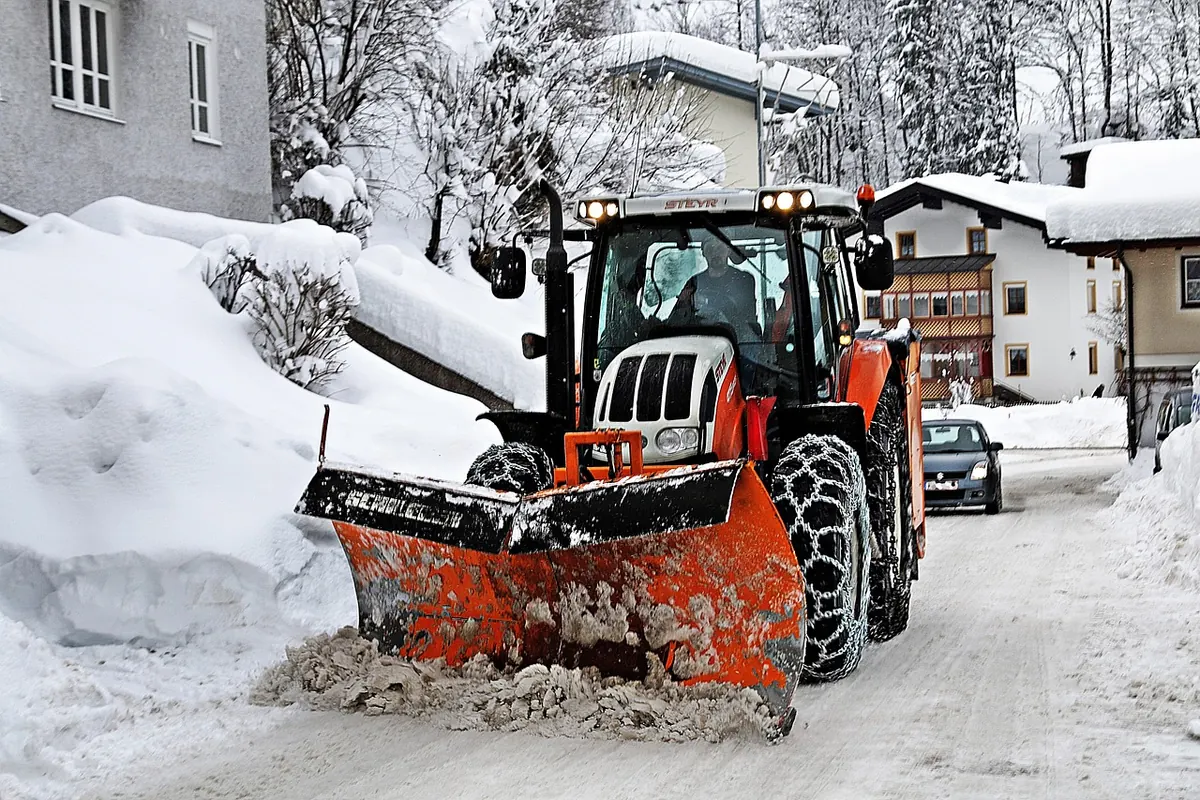
A practical seasonal checklist for borough residents covering emergency kits, snow emergency rules, power outages,...

Borough High opens its football season under the lights next month. Here's what to know about the squad, the rivalry...
October 10, 2026 - News
October 08, 2026 - Community
Copyright © 2026 Borough Herald. All Right Reserved.