Winter Weather Preparedness Checklist for Borough Residents
October 10, 2026 - News

October 10, 2026 - News
October 08, 2026 - Community

The 2025 borough budget is adopted and the tax rate is set. Most residents have already moved on to more immediate concerns — the pothole at the end of the block, the recycling that did not get picked up, the bill in the mailbox.
Those things are the budget. Every year, council makes a long list of decisions about how much to collect in property taxes and where to send it, and those decisions surface in ordinary places: a plowed street at six in the morning, a staffed desk at the library, a fire engine that starts on the first try.
Here is a plain-language look at the adopted budget — the major spending areas, which parts council actually controls, and how to check the numbers yourself if something looks off.
Start with the piece most people get wrong. The property tax bill that arrives in your mailbox is usually a combined bill, not a borough bill. It bundles separate levies: county taxes, school district taxes and borough taxes, sometimes with a library or fire levy listed separately.
Each one is set by a different body. The county commissioners set the county rate. The school board sets the school rate. Council sets only the borough's share, which in most boroughs is the smallest of the three.
That distinction matters when you hear that "the borough raised taxes." Sometimes it did. Sometimes the increase came from the school district or the county, and council had no vote on it. Before you call borough hall, find out which rate moved.
Council works with a handful of large categories. Exact shares shift from year to year and are published in the adopted budget, but in broad terms the money goes to the following.
Two of those categories drive most of the annual argument. Personnel costs rise with contracts and health insurance. Paving and equipment costs rise with the market. Council's genuine choice each year is narrow: raise the rate, cut a service, or delay a project and pay more for it later.
School taxes generally make up the largest share of a property tax bill, and the school board sets that rate on its own schedule. Council does not vote on it and cannot cut it.
That does not make it untouchable. It makes it a different conversation in a different room. School board meetings are public, the district budget is published, and the same questions apply: what is growing, what is fixed, and what is being deferred. If the school portion of your bill is your main concern, that is where to take it.
Street spending usually runs through two channels. Routine patching, plowing and signs come out of the operating budget. Resurfacing and reconstruction come out of a capital plan, often funded with a mix of reserves, borrowing and state grants.
The difference is not cosmetic. A thin overlay buys several years for a fraction of the cost of a full rebuild, which involves digging out the base and can cost many times more. Council's practical decision each year is how many miles to resurface, not whether every street can be perfect.
If your street is on the list and you want to know when, ask for the multi-year capital plan. It typically names streets and target years, which is more useful than a single year's budget.
Parks take a small share of the budget and produce a lot of visible value. Volunteer groups, sports associations and grant programs often stretch that money considerably, and council decisions here tend to be about maintenance levels rather than big projects.
Stormwater has become a larger line in recent years. Aging pipes and tighter environmental rules mean the borough cannot keep deferring repairs, and that work is expensive and underground, which makes it easy to overlook.
Emergency services are a patchwork in most boroughs. Many rely on volunteer or nonprofit fire companies supported by a municipal contribution, with ambulance services funded partly through insurance billing. When you see a fire truck, you are looking at a budget line and a great many donated hours.
Property tax math is simpler than it looks. A mill is one dollar of tax for every $1,000 of assessed value. Say a property is assessed at $150,000 and the borough rate is 5 mills. The borough's share works out to $750 a year — $150,000 divided by 1,000, multiplied by 5.
Two cautions. Assessed value is not the same as market value; assessments are handled at the county level, and an appeal goes there, not to council. And the borough's share is only one line. Add the county and school rates to see what you actually owe.
If a figure on your bill does not match your records, contact the tax collector first. Assessment questions go to the county assessment office, and school tax questions go to the district. For anything with real money on the line, a few minutes with the tax collector beats guessing — this is general information about how municipal budgets work, not tax advice for your particular situation.
Photo: Mikhail Nilov / Pexels
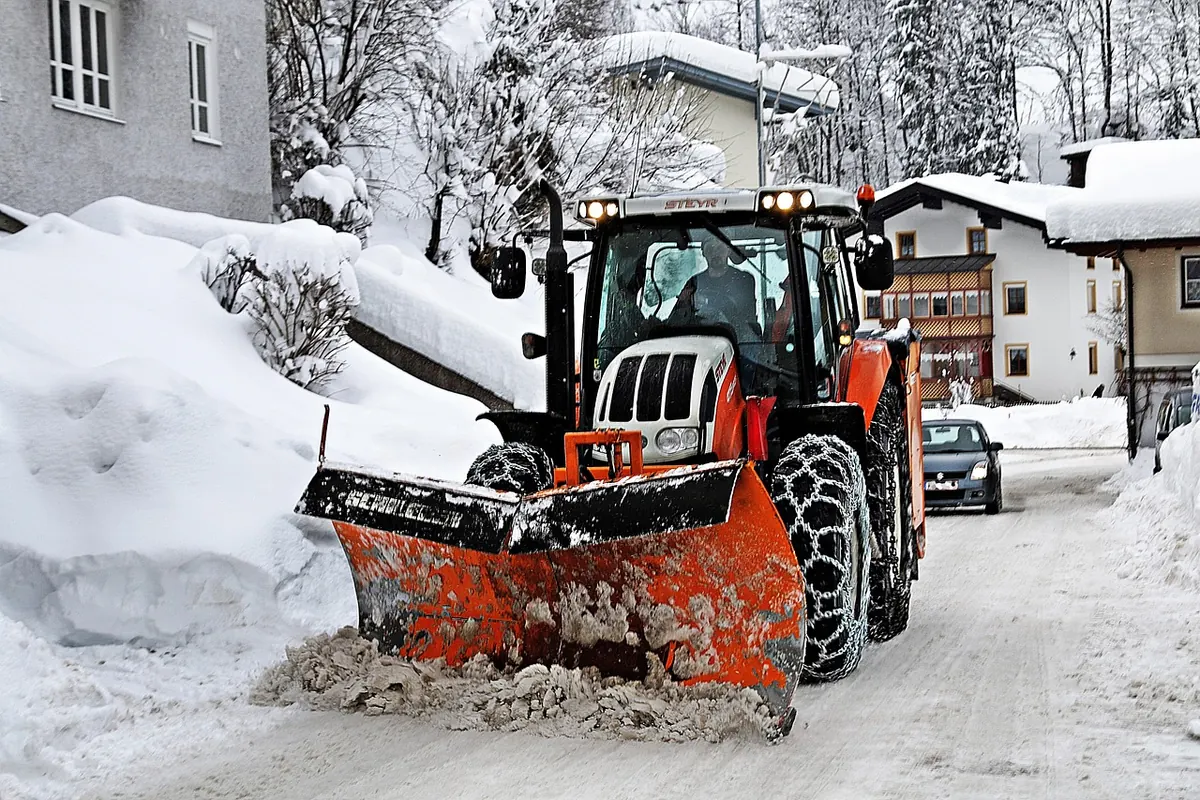
A practical seasonal checklist for borough residents covering emergency kits, snow emergency rules, power outages,...
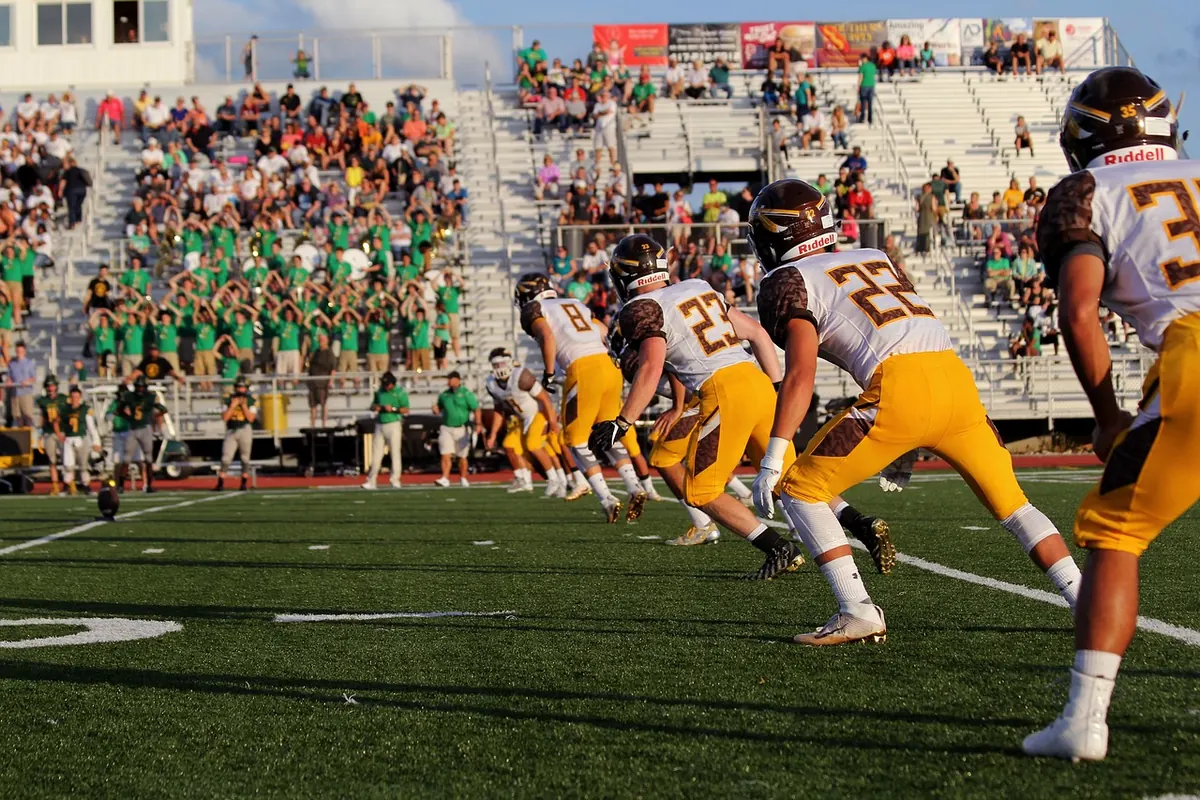
Borough High opens its football season under the lights next month. Here's what to know about the squad, the rivalry...
October 10, 2026 - News
October 08, 2026 - Community
Copyright © 2026 Borough Herald. All Right Reserved.