Winter Weather Preparedness Checklist for Borough Residents
October 10, 2026 - News


October 10, 2026 - News

October 08, 2026 - Community
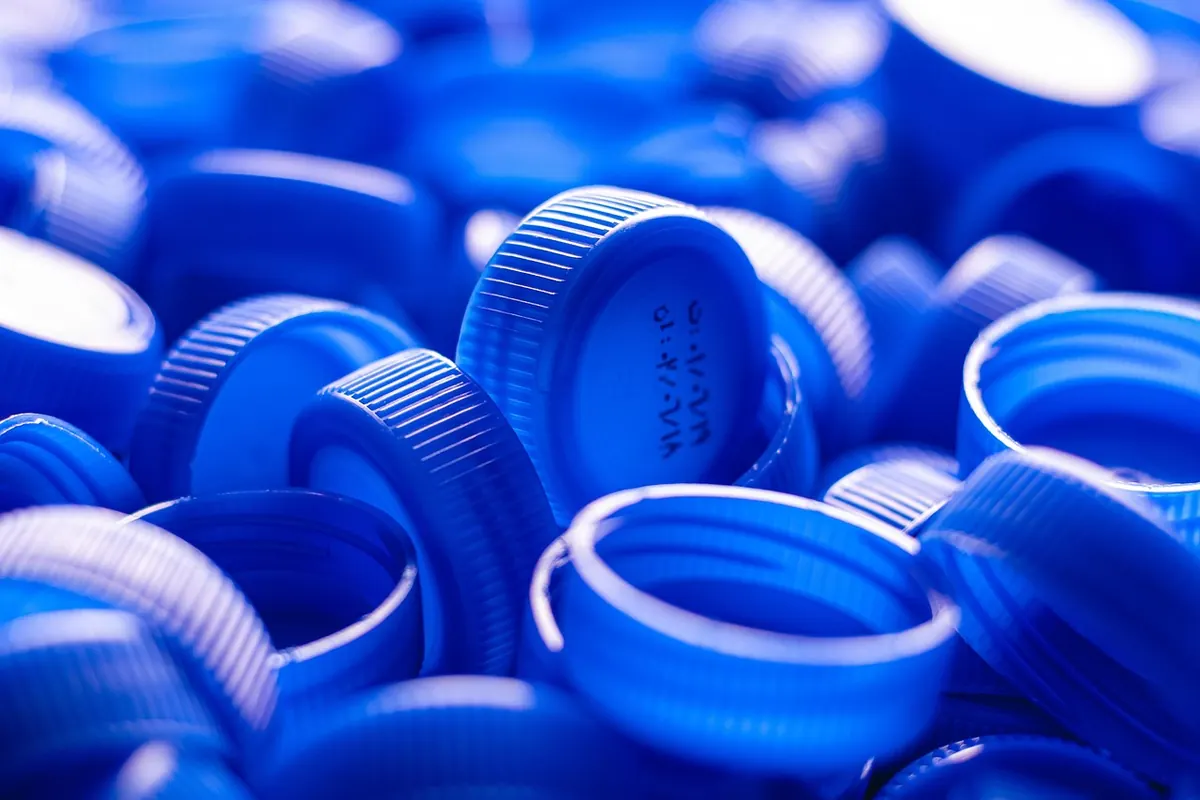
Most households want to recycle more and waste less, but the three main options in the borough ask for different habits. Curbside collection is the default for many. Drop-off centers catch what the truck will not take. Composting turns food scraps and yard trimmings into something useful. Choosing well is less about being perfect and more about matching each material to the right stream.
Curbside recycling is a convenience service. You sort or mix according to local rules, set bins at the curb, and a truck collects them on a schedule. Drop-off centers are destination sites: you store material at home, load it into a car or cart, and deliver it during open hours. Composting, whether curbside or drop-off, focuses on organic material rather than cans, glass, and cardboard.
The practical difference is who does the hauling. With curbside, the borough or its hauler does. With drop-off and many composting programs, you do. That single fact shapes cost, convenience, and how much material actually gets diverted.
Accepted materials vary by borough and hauler, so check the current guide before you set anything out. The general patterns are fairly consistent.
Curbside usually takes paper, flattened cardboard, metal food and beverage cans, glass bottles and jars, and rigid plastic containers. Many programs accept plastic bottles and jugs with necks. Do not put plastic bags, wrappers, foam, or greasy pizza boxes in the bin unless your program specifically says otherwise. Those items tangle sorting equipment or contaminate paper.
Drop-off sites often accept a wider range because staff can separate material and send it to specialized markets. Depending on the site, you may find containers for:
Not every center takes every item, and some limit quantities. A quick look at the borough's drop-off page before you load the car saves a wasted trip.
Composting accepts what recycling cannot: fruit and vegetable scraps, coffee grounds, tea leaves, eggshells, and yard waste such as leaves, grass clippings, and small branches. Some programs also take paper towels, napkins, and certified compostable products. Most do not want meat, dairy, oils, pet waste, or treated wood. If you compost at home, balance greens and browns, keep it as damp as a wrung-out sponge, and turn it occasionally. For drop-off compost, keep scraps in a sealed container and follow the site's bag or bucket rules.
Curbside recycling is often included in municipal taxes or a utility fee, or it comes with a subscription hauling service. That makes the marginal cost feel like zero, even though the service is funded collectively. Drop-off centers are commonly free for standard recyclables, with fees for special items such as electronics, tires, or appliances. Composting may be free at a drop-off site, offered through a discounted backyard bin program, or included in a curbside organics subscription.
Compare costs by the year, not by the trip. A free drop-off center still costs fuel and time. A curbside program that takes everything in one bin may be cheaper than paying per bag at a transfer station. For current fees, check the borough's schedule rather than relying on memory.
Curbside wins on ease. You wheel a bin to the curb and forget it. The catch is timing: miss the pickup and material sits another week. You also need space for bins and a place to rinse containers.
Drop-off centers fit people who generate odd items or who cannot get curbside service. They require storage, a vehicle, and a trip during open hours. Saturday mornings can be busy, so go early or midweek if you can. Keep a dedicated box in the garage for batteries, bulbs, and electronics so you are not making a special trip for one item.
Composting asks for the most consistent habit. Food scraps accumulate daily, so you need a small counter container and a plan for emptying it. The payoff is that you stop throwing away a heavy, wet portion of your trash. If you already garden, backyard composting turns a chore into free soil.
Curbside recycling has the broadest reach because it asks almost nothing of residents. Its weak point is contamination. When greasy cardboard, plastic bags, or garden hoses end up in the bin, whole loads can be downgraded or sent to landfill. Recycling correctly matters more than recycling enthusiastically.
Drop-off centers can capture higher-value and harder-to-recycle items that curbside programs cannot handle. That makes them especially important for electronics, metals, and hazardous waste, which should never go in the trash. The trade-off is access: if the center is far away or open only a few hours, participation drops.
Composting has a direct climate benefit. When food scraps and yard waste decompose in a landfill, they can produce methane, a potent greenhouse gas. Composting them with oxygen reduces that impact and returns nutrients to soil. It also reduces the weight of your trash. The best environmental choice is usually the one you will actually keep doing.
Set up your home around the services you have. Put a small bin for curbside recyclables where you open mail and packages. Keep a lidded counter container for food scraps and empty it every day or two. Use a sturdy box or shelf in the garage for drop-off items: batteries, bulbs, electronics, textiles, and scrap metal. Write the drop-off center's hours on the box or set a recurring reminder so the trip actually happens.
Then review once a month. Is the recycling bin mostly clean containers and paper? Is the compost container being emptied before it smells? Is the drop-off box overflowing because you keep postponing the trip? Adjust the system rather than blaming yourself. If you rent or share a building, ask the landlord or property manager what is available and whether a compost pickup can be added. Small changes, repeated weekly, divert more than a perfect setup that lasts two weeks.
For a specific material, the borough's public works page and your hauler's guide are the final word. When rules change, they change there first. For questions about fees, permits, or hazardous items, contact the borough office directly.
Photo: sadeghshafiee91 / Pixabay
A practical seasonal checklist for borough residents covering emergency kits, snow emergency rules, power outages,...

Borough High opens its football season under the lights next month. Here's what to know about the squad, the rivalry...
October 10, 2026 - News
October 08, 2026 - Community
Copyright © 2026 Borough Herald. All Right Reserved.