Winter Weather Preparedness Checklist for Borough Residents
October 10, 2026 - News

October 10, 2026 - News

October 08, 2026 - Community
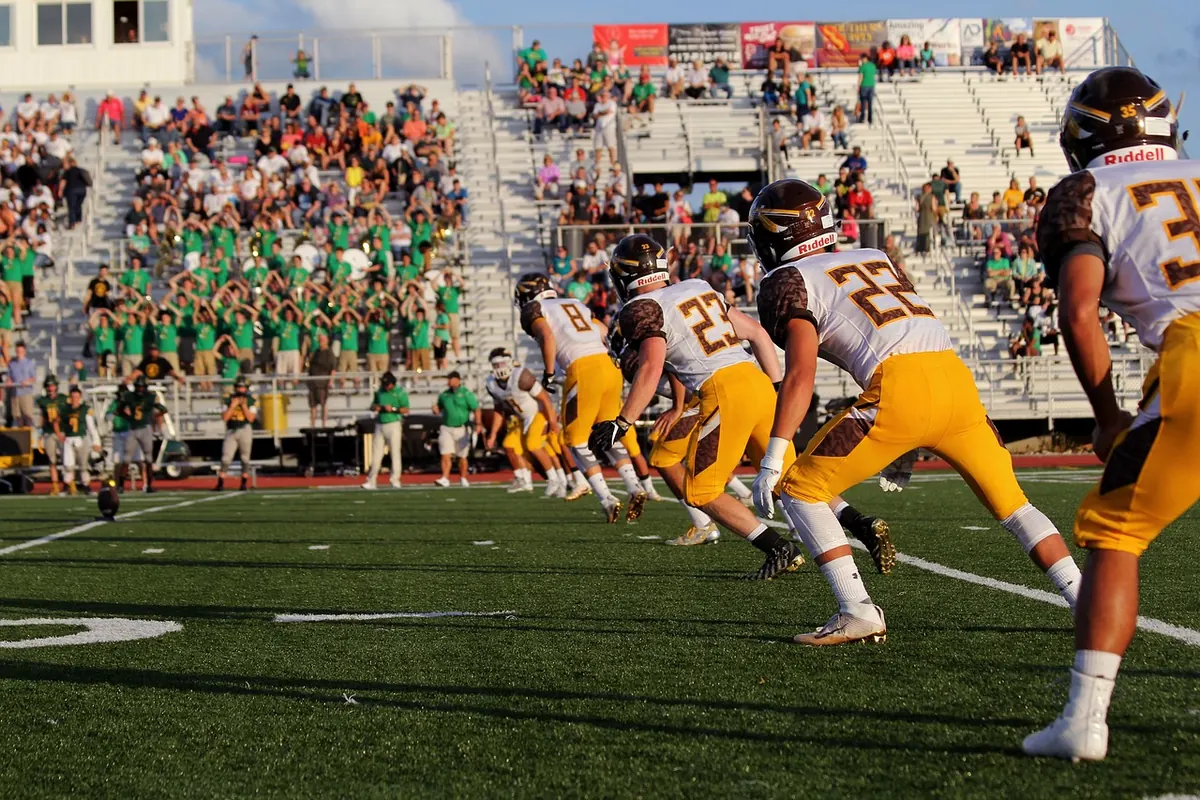
The first Friday night at Borough Stadium is closer than it feels. Equipment has been handed out, two-a-days are behind the team, and the marching band has been rehearsing the same eight bars since the middle of July. What follows is a practical guide to the season: what this Borough squad looks like, which games are worth rearranging your calendar for, what it costs to get through the gate, and how to follow the team on the road when you cannot make the trip.
Expect the usual rhythm. Borough opens with a couple of non-conference games — one at home, one on the road — before the conference schedule settles in. Most varsity games land on Friday nights, though a handful of Saturday afternoon kickoffs show up most years when a stadium is shared or a long road trip is involved.
Junior varsity and freshman games generally run earlier in the week, usually Monday or Thursday evenings. If you have a player in the program, those games matter more than the varsity scoreboard does, and they are almost always cheaper and less crowded. Check the athletics page each Sunday, because start times shift when buses, officials, or weather get in the way.
The regular season runs ten games. Win enough of them, and November gets interesting. Pay attention to conference records starting in week four, because that is what decides who plays in the postseason and who stays home.
Start with the line. Borough returns several starters on both sides of the line of scrimmage, and in high school football that single fact usually decides more games than anything a skill player does. When a program can run the ball on third and short and hold the line on fourth and one, it stays in games it has no business winning on paper.
The passing game should be steadier this year as well. With a quarterback who has a full season of varsity snaps behind him, expect fewer of the coverage mistakes that cost points last fall. The defensive front seven looks physical, and the kicking game returns a leg that can handle extra points and reasonable field goals.
Where the questions sit: depth at receiver, and a secondary that graduated most of its experience. Those are the spots opposing coaches will test early. Watch the first two games closely — not for the score, but for how quickly the new starters settle in.
Every season has a handful of dates that fill the bleachers. These are the ones worth planning around:
Admission prices are set by the district and can change from year to year, so confirm the current numbers on the athletics page or by calling the box office before you drive over. What holds steady is the structure: students and seniors typically pay less, adults pay full general admission, and children under a certain age usually get in free with a paying adult.
One more thing worth knowing: many districts now restrict bags at stadium entrances. A small clear tote or nothing at all will get you in fastest. Leave the cooler in the car unless you have confirmed the policy.
Road games two hours away are a real commitment on a school night. Fortunately, you have options.
If you are streaming, test the link an hour early. School networks get slammed right at kickoff, and the picture quality drops when a few hundred parents log on at once.
A few small habits make game nights better for everyone:
Save the schedule to your phone, follow the athletics page for weather delays and start-time changes, and sort out your tickets early if you plan to attend the rivalry game. If you are traveling to an away game, decide now whether you are driving or streaming — the decision is much easier made on a Tuesday than at 5 p.m. on a Friday. Then show up, sit with your neighbors, and enjoy the season. It goes faster than anyone expects.
Photo: StockSnap / Pixabay
A practical seasonal checklist for borough residents covering emergency kits, snow emergency rules, power outages,...
A practical guide to organizing a neighborhood watch: who to call first, how to run a first meeting, and how to set...
October 10, 2026 - News
October 08, 2026 - Community
Copyright © 2026 Borough Herald. All Right Reserved.