Winter Weather Preparedness Checklist for Borough Residents
October 10, 2026 - News

October 10, 2026 - News
October 08, 2026 - Community
Two households on the same block can live for years without learning each other's names. That is normal, and usually fine — until a package disappears off a porch, a car gets rifled through overnight, or someone notices a garage door standing open at two in the morning and has no idea whose it is. A neighborhood watch does not turn your street into a patrol route. Mostly it does one thing: it makes neighbors familiar enough to notice when something is off and to know exactly who to call. Here is how to build one that lasts past the first meeting.
The fastest way to kill a watch group is to announce it to the whole block before it exists. Big early meetings attract big opinions, and nothing gets decided. Instead, talk to the three or four neighbors you already nod at in the driveway. Ask a plain question: would you be up for a short meeting about keeping an eye on the block? Almost everyone says yes to that. Expanding later is easy; un-recruiting people is not.
Pick an anchor household — someone with a kitchen table, a front porch, or a garage where six people can sit. Then define your boundaries before you print anything. "Maple Street from Third to the park, plus both sides of Oak Court" is workable. "The east side of the borough" is not.
Use the non-emergency line, not 911. Ask for the community affairs or crime prevention officer, or whoever handles neighborhood programs. Most borough departments have someone assigned to exactly this, and most would rather hear from you early than discover your group later through a group chat screenshot.
Say something like: "We're a group of residents on Oak Court hoping to start a watch. Can an officer come to a meeting, or walk us through what you recommend?" Then ask a few specific questions:
Do not build your own version of a program that already exists. Invite an officer to the first meeting. People take a gathering more seriously when a uniform is in the room, and officers usually show up if they get a week's notice.
Observe and report. That is the entire job description, and it should be the first thing your group agrees on.
Most blocks settle on one of three models, and all three work. Pick one to start, knowing you can add later.
Plenty of groups run a mix: a chat for quick notes, two meetings a year, and a paper list for neighbors who do not want to be in any chat.
Hold it somewhere easy — a library meeting room, the community center, a church hall, or a porch in good weather. Keep the agenda short enough to fit on an index card.
End on time. Momentum matters more than completeness, and a meeting that runs long is a meeting people skip next time.
Start with a simple contact sheet: name, address, phone, email, whether they want to be in the chat, and whether it is all right to call them at night. Ask permission for each of those separately. Then assign structure — one coordinator, four or five captains, each responsible for five to eight households.
Test the tree once a quarter with a harmless message: "Test — this is the Oak Court tree. Reply if you got this." A tree that is never tested is a tree that fails on the night you need it.
If you go with a group chat, pin the rules where everyone can see them:
Suspicious is not a feeling about a person. It is a mismatch: someone testing car door handles down a block, a car idling with its lights off for an hour, a stranger carrying a television out of a house that is listed for sale. Those are worth a call. Be a good witness from inside your own home.
Never approach, follow, or detain anyone. You are not a police officer, you do not have their authority, and you do not have their training or their protection. If a crime appears to be happening, call 911 and stay put.
Be honest about bias, too. Watching your block means watching your block, not watching people who do not look like you. Wrongful suspicion tears neighborhoods apart and can carry real legal consequences for the people who act on it. If your group starts drifting in that direction, say so out loud, early.
If your group ever handles money, buys signs, or files any paperwork, keep clear records and check the rules with your borough clerk or an attorney. A short conversation up front beats an awkward one later.
The watch is a byproduct. What actually holds a block together is people who know each other well enough to text "did you mean to leave your garage open?" at eleven at night.
So keep it small and regular: a spring cookout, a fall cleanup, a reminder before the long holiday weekends when package theft tends to tick up. Post the meeting date even if only six people come — six is a real group. Hand off the coordinator role every year so no one person becomes the whole thing. And count the quiet wins: a year from now, a few more porch lights on, a contact list that still works, and a neighbor who calls you before they call anyone else.
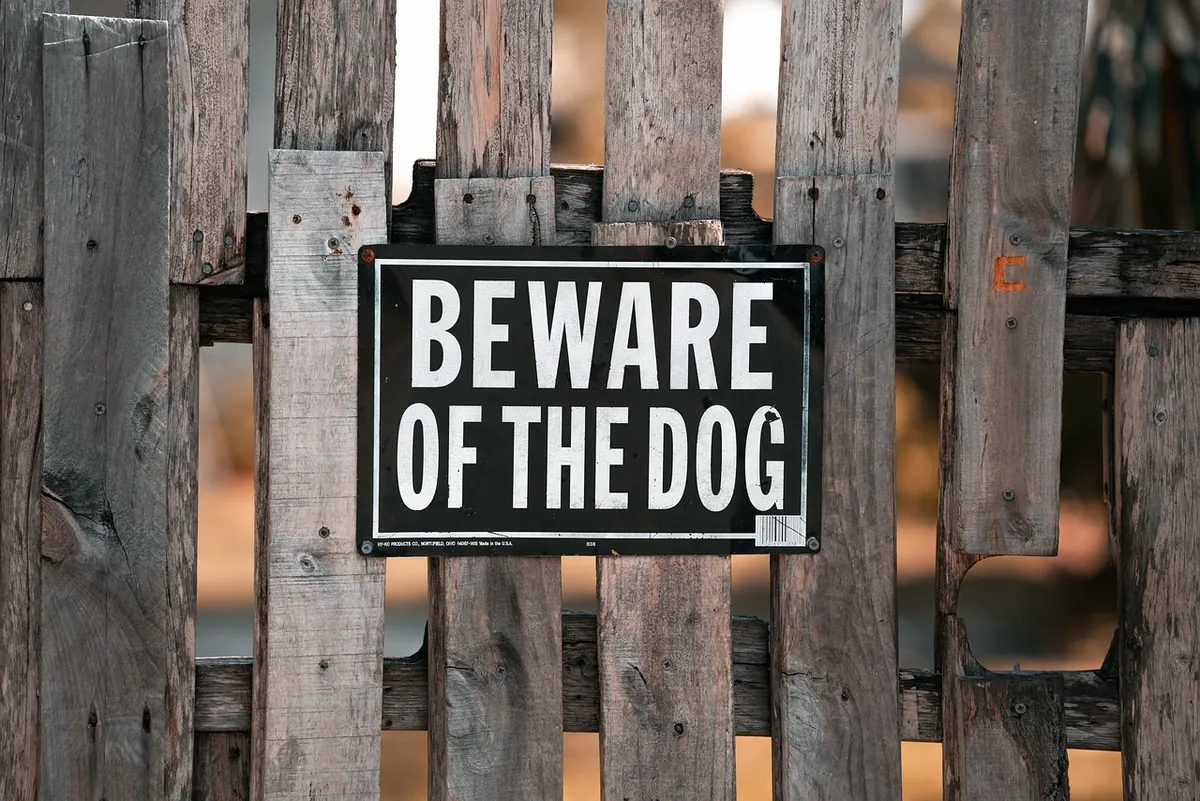
Photo: RonaldPlett / Pixabay
A practical seasonal checklist for borough residents covering emergency kits, snow emergency rules, power outages,...
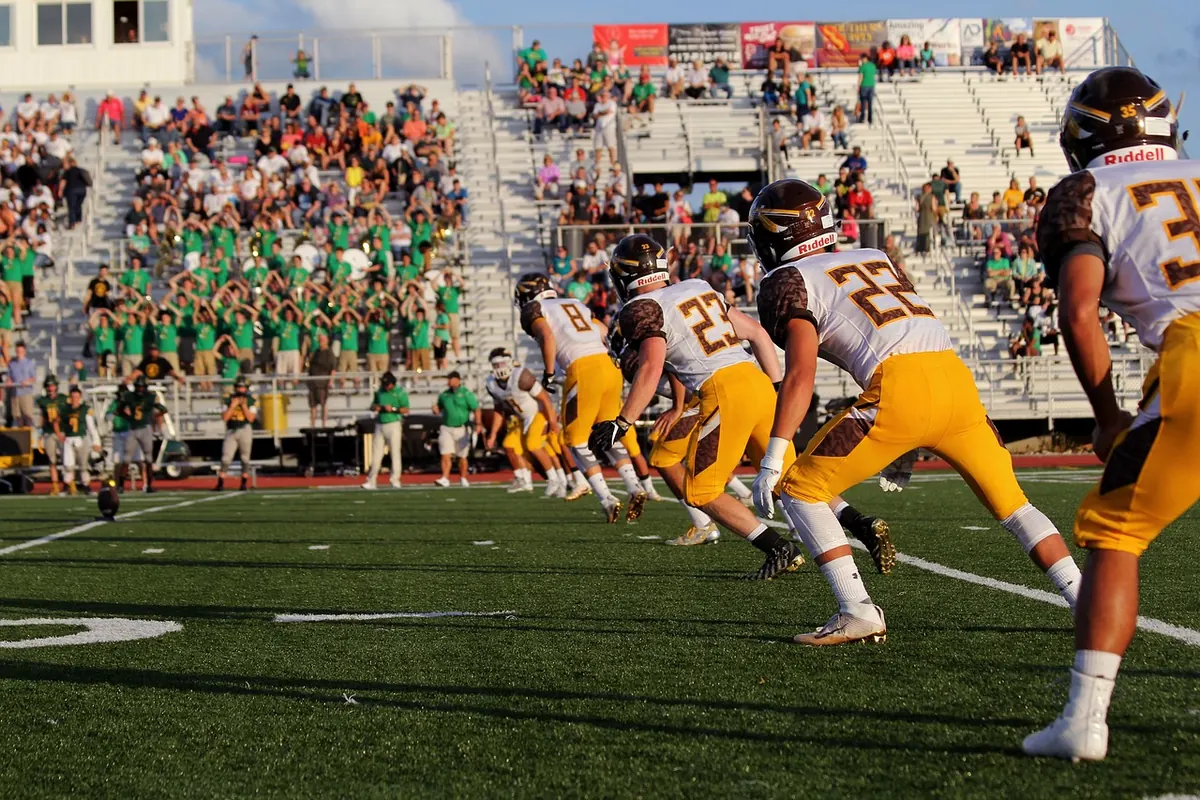
Borough High opens its football season under the lights next month. Here's what to know about the squad, the rivalry...
October 10, 2026 - News
October 08, 2026 - Community
Copyright © 2026 Borough Herald. All Right Reserved.