The House Always Wins? Why Smart Players Still Show Up
November 04, 2026 - iGaming

November 04, 2026 - iGaming

October 10, 2026 - News

October 08, 2026 - Community
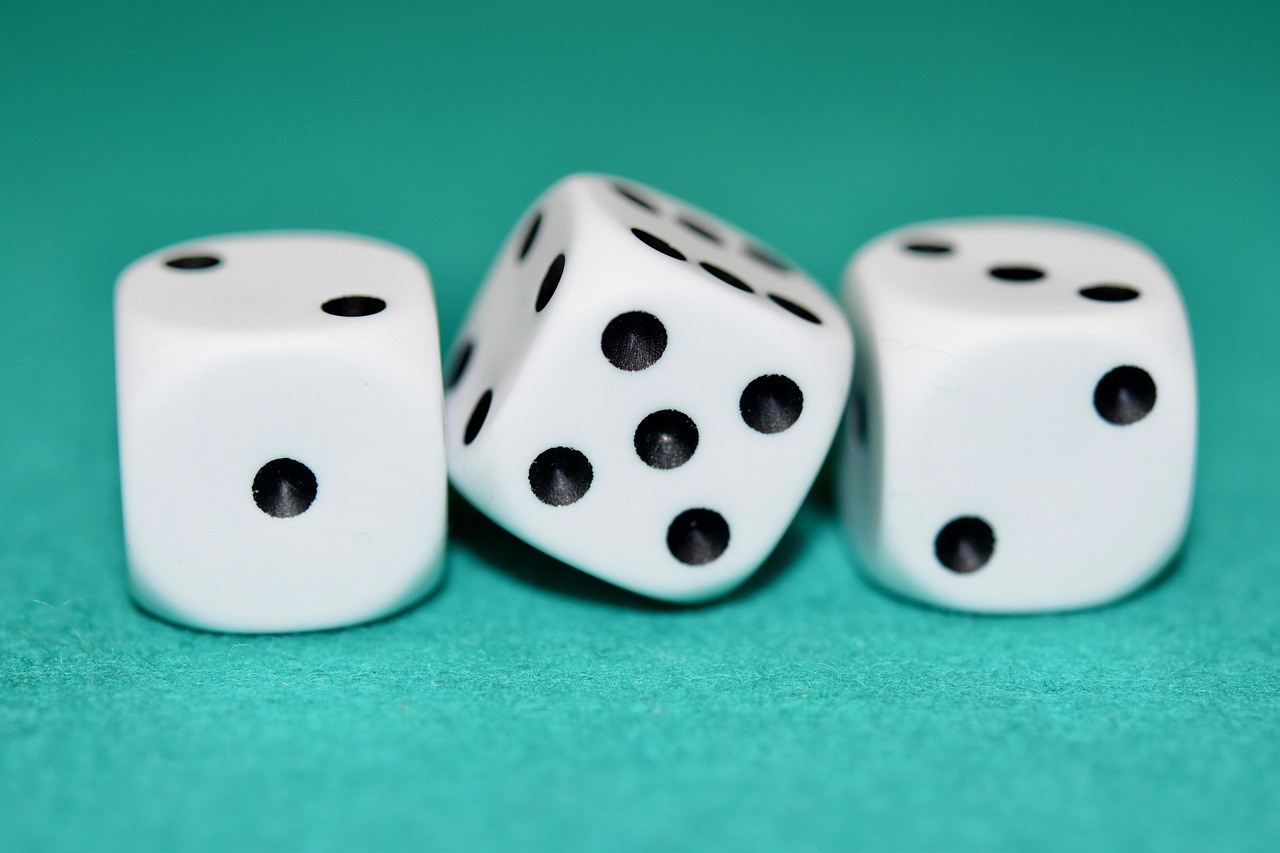
Every gambler has heard the phrase "the house always wins." It's true in the aggregate, but it's also lazy advice. If the house literally always won, casinos would have no reason to comp drinks, fly high rollers in on private jets, or spend millions on loyalty programs. The reality is messier and far more interesting: the house wins on average because of a small mathematical edge, and the entire drama of gambling unfolds in the gap between that edge and the variance that keeps everyone coming back.
Understanding that gap—how it works, where it's smallest, and how to exploit it—is what separates people who treat gambling as entertainment from people who donate their paycheck and wonder what happened.
Let's talk hard numbers, because vague warnings help nobody. The house edge is the mathematical advantage the casino holds on every bet, expressed as a percentage of your wager. It varies wildly by game:
That edge doesn't feel like much in a single session. Lose $100 at baccarat and you've "paid" the casino about a dollar in expected value. But run $10,000 through the tables over a weekend, and the expected cost is $106. Over a year of regular play, the edge grinds down even disciplined bankrolls. This is why casino operators obsess over volume, not individual wins—the math only cares about how much money cycles through the system.
Here's the uncomfortable truth: the house edge is the casino's certainty, and variance is the player's only hope. Variance is the statistical noise around the expected outcome—the reason a player can sit down at a slot machine with a 4% house edge and walk away up $2,000.
In the short run, luck is almost everything. Flip that coin 10 times and you might get seven heads; flip it 10,000 times and you'll get very close to 50/50. Gambling works the same way. The longer you play, the tighter the results cluster around the house edge. This is why the smartest gamblers think about session length as much as bet size—quitting while you're ahead isn't just a cliché, it's a variance play. Those comparing choices often turn to mahjong ways 2.
Professional poker players get this intuitively. They don't care about a single session's result. They care about getting their money in good, over and over, knowing that the law of large numbers eventually pays them off. A cash-game grinder who's a 60/40 favorite on average doesn't need to win tonight. They need to make the right decision a thousand times.
People lump all gambling together, but the skills, edges, and psychology involved are totally different.
Modern video slots run on random number generators that spin millions of outcomes per second. There is no hot machine, no cold machine, no pattern. The RTP (return to player) is the only meaningful number—a 96% RTP slot returns $96 for every $100 wagered over millions of spins. That number tells you almost nothing about your next 100 spins. The smart slot player picks high-RTP games, plays for entertainment value, and never chases losses with rent money.
Poker is the only mainstream casino game where skilled players can achieve a positive expected value long-term. It's a game of incomplete information, and the edge comes from reading opponents, understanding position, and betting sizing. A good player in a soft home game has a genuinely positive expectation. The catch is that the learning curve is brutal and the variance can be savage—downswings of 20 buy-ins are normal even for winners.
Bookmakers build a margin into their odds—typically 4–8% on a two-way market. To win long-term, you need to beat the closing line consistently, which means having better information or a sharper model than the market. Sharp bettors track line movement, injury reports, weather, and public betting percentages. Casual bettors bet their favorite team and wonder why they're broke by February.
You can play perfect blackjack strategy and still go broke if you bet too big relative to your bankroll. Bankroll management is the unglamorous discipline that keeps variance from wiping you out before the math has time to work.
The players who survive long-term treat gambling like a business expense line, not a lottery ticket. They know their hourly rate, they know their variance, and they walk away without drama.
If the math is so unforgiving, why does global gambling revenue keep climbing past $250 billion? Because people don't gamble for expected value. They gamble for the rush, the story, the escape, the fantasy of the big score. The industry understands this perfectly—it sells hope, not odds.
The rise of online casinos and sportsbooks has amplified everything: faster play, bigger selection, 24/7 access, and sophisticated algorithms that know exactly when to offer you a bonus. That environment makes discipline harder, not easier. A slot machine in a physical casino might spin 600 times an hour; an online slot can spin 1,200. Same house edge, twice the exposure.
None of this is a reason to avoid gambling. It's a reason to understand it. Know the edge on every game you play. Know that variance cuts both ways. Know that the only guaranteed winner in the room is the operator, and the only edge you truly control is how much, how long, and how often you play.
That's not a downer—it's the most useful thing a gambler can know. The house edge is small enough that a disciplined player can enjoy the ride for years. It's also relentless enough that an undisciplined one will hand over everything. The difference isn't luck. It's math.
A practical seasonal checklist for borough residents covering emergency kits, snow emergency rules, power outages,...
Borough High opens its football season under the lights next month. Here's what to know about the squad, the rivalry...
November 04, 2026 - iGaming
October 10, 2026 - News
Copyright © 2026 Borough Herald. All Right Reserved.