Beyond the Spin: What Separates Smart Bettors From the Rest
November 28, 2026 - iGaming

November 28, 2026 - iGaming
November 28, 2026 - iGaming
You've probably heard that slot machines are random. But if they're truly random, why do some sessions feel like you're bleeding money while others feel like you can't lose? The answer isn't luck. It's math — specifically, a number called RTP, and a concept called volatility. Understanding both won't guarantee you a win, but it will stop you from playing blind. And in a world where casinos spend millions on psychological design, playing blind is exactly what they're counting on.
Before we dig in, let's be clear: no strategy changes the house edge on a slot machine. Not a hot-cold pattern, not a betting system, not the way you press the spin button. What you can change is how long your bankroll lasts, how much entertainment you get per dollar, and whether you walk away feeling cheated or informed. That's what this article is about.
RTP stands for Return to Player. It's the percentage of all wagered money that a machine pays back to players over millions of spins. A slot with 96% RTP keeps 4% as profit. Seems simple, right? Here's where it gets tricky.
That 96% is a long-term average for the entire machine, not a promise to you. You could play 1,000 spins and see a 40% return. Someone else could play the same machine and see 300%. The RTP only reveals itself over an enormous number of plays. This is why the phrase "loose slot" is mostly a myth. The machine isn't loose or tight — it's just running its program. musang4d goes into the finer points.
Still, RTP matters because it tells you the cost of entertainment. Compare two slots:
Over a three-hour session, that gap becomes huge. At 500 spins per hour with a $1 bet, you wager $1,500. Slot A costs you about $52.50 in expected losses. Slot B costs you $120. That's a $67.50 difference — real money that stayed in your pocket because you checked the paytable.
If RTP is the destination, volatility is the road. Low-volatility slots pay small amounts frequently. High-volatility slots pay rarely but can hit massive. Neither is better. They just suit different players and bankrolls.
Here's a concrete example. A low-volatility slot might have a maximum win of 500x your bet, but you'll see bonus features every 50 spins. A high-volatility slot might cap at 50,000x, but you could go 300 spins without a feature. If you sit down with $50 on a high-volatility slot, you'll likely bust before the big hit arrives. If you have $500, you can ride the dry spells.
Many modern slots show a volatility rating right in the game info. Ignore it at your peril. The biggest mistake new players make is choosing a high-volatility game because the jackpot looks amazing, then getting frustrated when their $20 deposit disappears in four minutes.
Hit frequency is the percentage of spins that return anything at all, even less than your bet. A slot with 25% hit frequency wins one in four spins. A slot with 45% wins almost every other spin. The latter feels more fun, but those wins are usually small — often less than your original wager.
Why does this matter? Because hit frequency drives your emotional experience. If you need frequent wins to stay engaged, choose a higher hit frequency slot. If you can tolerate long dry spells for a shot at a big payout, go low. Just don't confuse frequent small wins with profitability. A 45% hit frequency with 94% RTP still drains your bankroll, just more slowly and with more dopamine hits along the way.
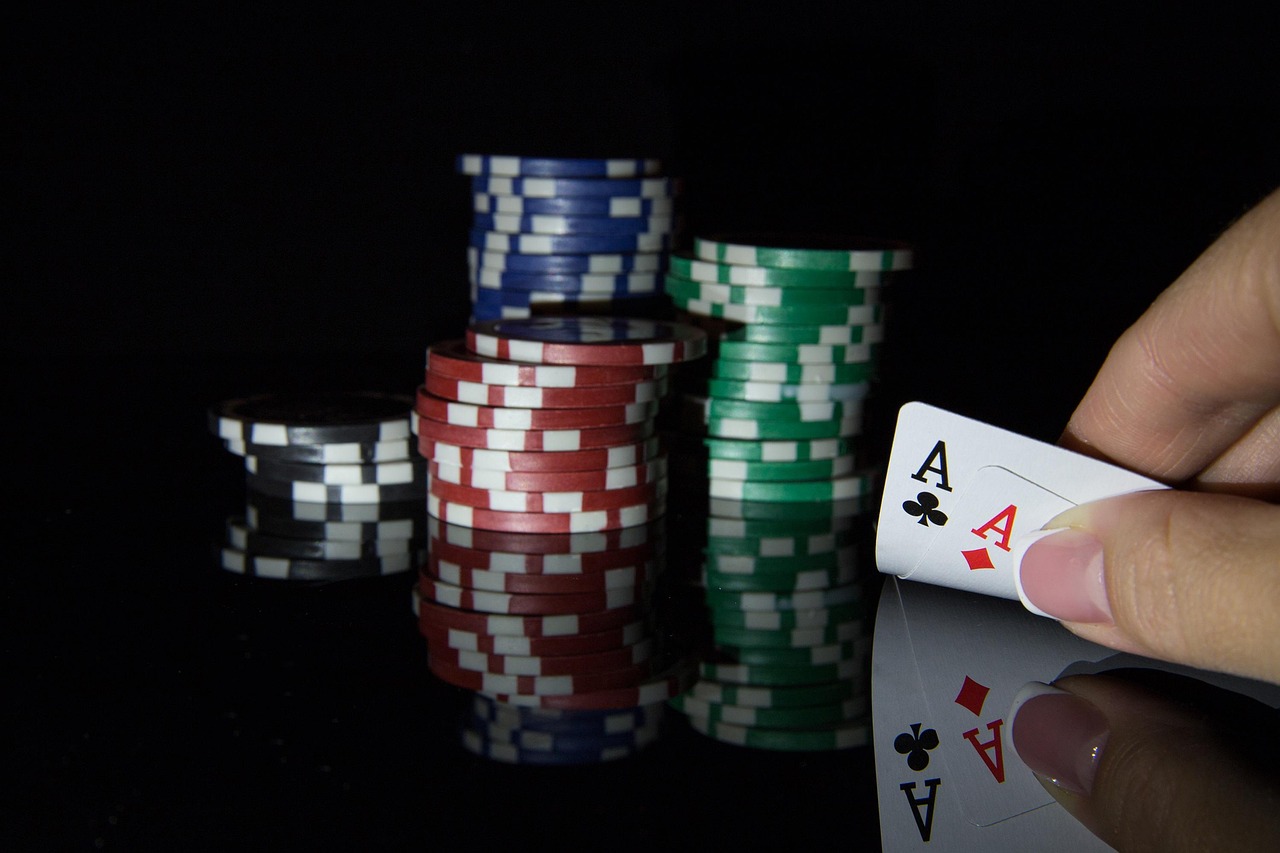
A lot of bettors bounce between poker and slots without realizing they're playing two completely different games. In poker, you play against other people. The house takes a rake — usually 5% to 10% of each pot — but the bulk of your profit comes from outplaying opponents. Skilled players can achieve positive expected value over time. It's a game of decisions, psychology, and information.
Slots are the opposite. You play against a random number generator. No skill, no reads, no bluffing. The house edge is fixed and non-negotiable. You cannot outplay a slot machine. Ever.
This is why serious poker players often look down on slots — and why slot players find poker too slow and mentally exhausting. The crossover appeal is real, though. Some people grind $1/$2 no-limit hold'em for hours, then blow $200 on slots to unwind. That's fine if it's budgeted entertainment. It becomes a problem when you expect slot returns to behave like poker returns.
Sports betting sits somewhere in the middle. You can research teams, study injury reports, analyze line movements. That feels like skill. And to some degree, it is. Sharp bettors do exist, and they do beat the closing line over thousands of bets. But the vast majority of recreational bettors lose. Sportsbooks hold 4% to 10% per bet depending on the market.
The illusion of control is powerful. You feel smarter than the guy next to you because you checked advanced stats. But the book has already priced that information into the line. The only edge you get is when you know something the market doesn't — and that's rare, fleeting, and requires serious work.
None of this means you shouldn't bet on sports. It means you should bet for fun, not as an investment strategy, unless you're treating it like a part-time job with spreadsheets and line history.
You don't need a degree in statistics to play better. You just need to stop guessing. Here's what actually helps:
One more thing: variance is not a bad word. It's the reason you can win. Without variance, every spin would return exactly 96 cents on the dollar. That would be boring and pointless. Variance creates the swings, the stories, the near-misses. It's also the reason you need a bankroll that can survive the downswings. If you can't afford to lose it, don't bet it.
The iGaming world is designed to be immersive. Lights, sounds, animations, near-miss mechanics that trigger the same brain regions as actual wins. None of that makes the games unfair. But it does make them effective at keeping you playing longer than you planned. Understanding RTP, volatility, and hit frequency is your best defense against the math working silently against you.
So next time you open a slot, take thirty seconds to read the paytable. Check the RTP. Look at the volatility. Decide what your session budget is before you spin. That tiny bit of homework won't turn you into a winner — but it will turn you into a player who knows exactly what game they're playing. And in an industry built on illusions, clarity is the rarest edge of all.
Most people lose money at online casinos not because the games are rigged or the odds are secretly stacked against...

You've probably heard someone say, "That machine is due for a payout." It's a comforting thought—and completely...
Copyright © 2026 Borough Herald. All Right Reserved.