Beyond the Spin: What Separates Smart Bettors From the Rest
November 28, 2026 - iGaming

November 28, 2026 - iGaming
November 28, 2026 - iGaming
Most people who lose money at online casinos don't lose because they're unlucky. They lose because nobody ever explained how the games actually work. That sounds harsh, but it's liberating once you understand it. The moment you grasp why a slot machine keeps paying out small amounts while quietly draining your balance, or why that poker player two seats to your left keeps beating you with worse cards, the entire experience changes. You stop playing blind. You start playing with information.
This isn't a lecture about quitting gambling. iGaming is a massive, legitimate industry, and millions of people enjoy it responsibly every single day. But enjoyment and ignorance are two different things. Let's talk about what's really happening under the hood, across slots, table games, poker, and sports betting.
Walk into any casino or open any online slots lobby, and you'll see the same thing: bright colors, catchy themes, and the promise of a jackpot. What you won't see clearly is the RTP, or Return to Player percentage. That number matters more than anything else on the screen.
RTP tells you, over millions of spins, how much of all money wagered flows back to players. A slot with 96% RTP returns 96 cents on average for every dollar bet. The house keeps 4%. That 4% is called the house edge, and it never sleeps. Take a look at 789Win for a fuller picture.
Here's the part that trips people up: a 96% RTP slot can easily produce a 200-spin losing streak. RTP is a long-run statistic, not a per-session promise. Slots achieve their returns through rare, large payouts, which means the majority of your spins lose. If you play 500 spins on a 96% RTP game, your realistic outcome might be anywhere from a 40% loss to a 3x win, depending entirely on variance.
A practical tip: decide on a session budget, divide it by at least 100, and treat that as your per-spin bet. If you have $100 and want 200 spins, bet 50 cents. This gives you room to ride out the variance most players underestimate.
Slots are pure luck. Table games are where your decisions start carrying weight, and the difference is dramatic.
Take blackjack. Played with basic strategy, a competent player faces a house edge of roughly 0.5%, assuming decent rules (3:2 blackjack payout, dealer stands on soft 17). Played badly, chasing losses or refusing to hit a 15 against a dealer's 10, that edge can climb past 2%. Same table, same cards, wildly different long-term outcome.
European roulette sits at a 2.7% house edge because of a single zero. American roulette doubles that to 5.26% because of the extra double zero. Refusing to play American roulette wheels when a European version is available is one of the simplest edges you can claim.
Craps offers some of the best bets in the entire casino, and some of the worst, often on the same table. Pass line and come bets carry about a 1.4% edge. The house edge on placing the hard 6 or 8 jumps to 9%. Stick with the core bets and skip the exotic props.
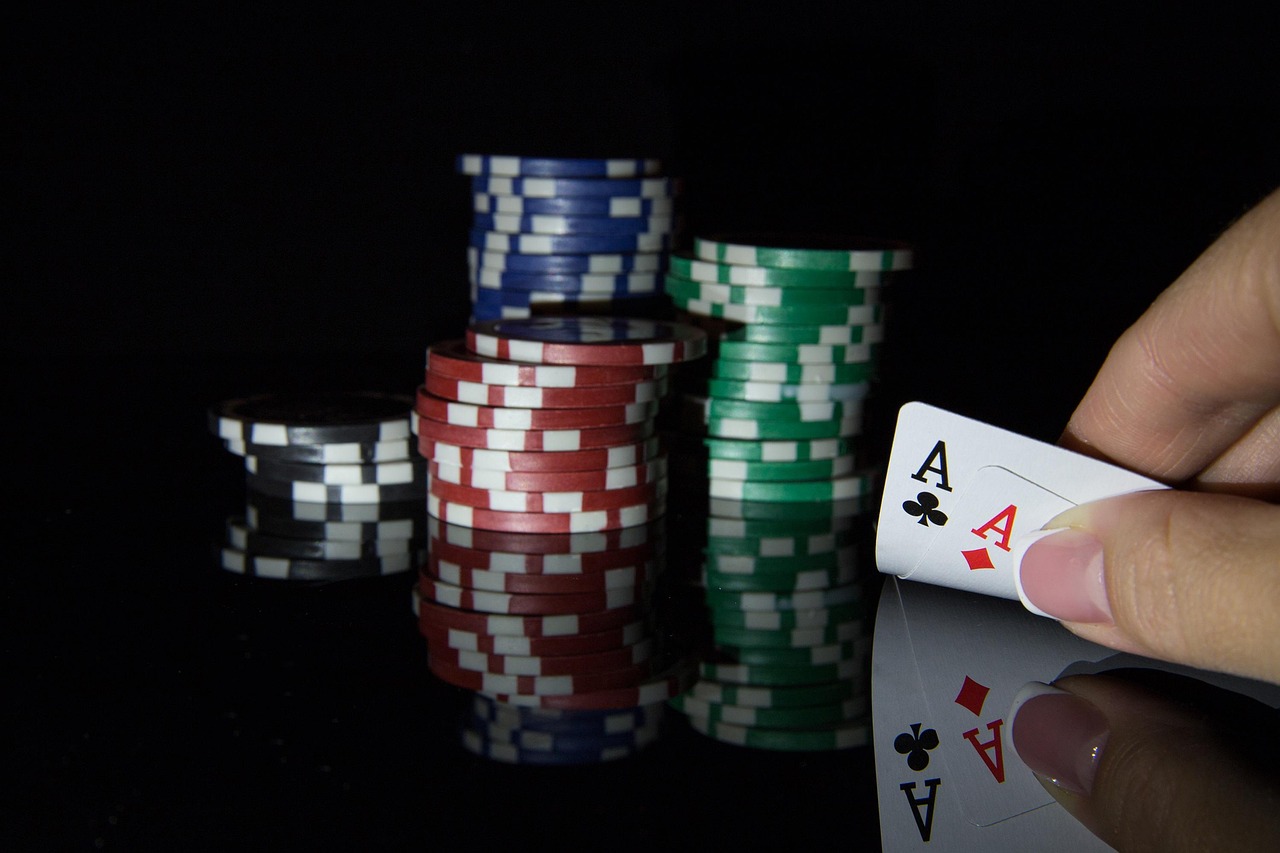
Poker is the one game where you can genuinely win long term, but only if you accept a hard truth: you're not playing against the house. You're playing against the other players, and the house takes a rake, which is a small cut of each pot. We found 789 Win to be a handy reference here.
This means poker is a zero-sum-plus-rake game. Somebody at the table wins, somebody loses, and the casino takes its slice regardless. Your job is to be the player who adapts faster than the rest.
Position matters more than your starting cards in many spots. Acting last gives you information. If everyone checks to you on the river, you can profitably bet a wider range because the strength threshold for calling is lower than the threshold for betting first.
Sports betting gets treated like stock picking, but the math is closer to a slot machine with a bit more information. Bookmakers set moneylines to balance their book, not to predict outcomes. The margin between two sides of a bet is the vig, usually around 4-5% total.
If both teams are -110, you're laying $110 to win $100. To break even long term, you need to win roughly 52.4% of those bets. That's the real bar, not 50%. Sharp bettors hunt for the occasional outlier line where the book has mispriced a side. Everyone else pays the vig.
Parlays feel exciting because the payouts look huge, but each leg multiplies the vig. Four-leg parlays carry roughly an 18-20% hold on average. Compound interest works against you faster than it works for you here.
Every strategy in the world fails without bankroll discipline. The players who last are the ones who separate entertainment money from real money, set hard stop-losses, and actually walk away when they hit them.
A common framework: allocate a bankroll you can lose entirely without affecting rent, groceries, or savings. For slots, keep single sessions under 5% of that bankroll. For poker, 20-30 buy-ins is a minimum cushion at any given stake. For sports betting, flat unit sizing beats emotional doubling every time.
The real edge in iGaming isn't a secret system. It's understanding the math better than the average player, controlling your exposure, and treating the games as an expense you've chosen, not a machine that owes you a payout.
That mindset separates the people who enjoy this industry for years from the ones who torch an account in a weekend and blame luck. The numbers were never hidden. Most people just never looked.
Most people lose money at online casinos not because the games are rigged or the odds are secretly stacked against...

You've probably heard someone say, "That machine is due for a payout." It's a comforting thought—and completely...
Copyright © 2026 Borough Herald. All Right Reserved.